Japan Country Guide: Regions, Travel Tips, Costs and Useful Information Japan is an island country with four main islands — Hokkaido, Honshu, Shikoku and Kyushu — together with thousands of smaller islands. More than 400 of those islands are inhabited. The country stretches from the snowy landscapes of northern Hokkaido to the subtropical islands of Okinawa, giving travellers an enormous variety of scenery, climates, cultures and experiences to discover. For visitors, Japan is relatively straightforward to explore thanks to its extensive railway, bus and domestic transport networks. However, the country is geographically diverse, so travelling between regions can involve significant differences in weather, landscapes, accommodation and local attractions. Understanding the main regions before planning an itinerary can help you decide where to spend your time. Regions of Japan Chubu Chubu occupies central Honshu and extends from the Sea of Japan coast to the Pacific side of the country. The region contains several of the mountains that make up the Japan Alps and is home to Mount Fuji, Japan’s highest mountain at 3,776 metres. Chubu Highlights Mount Fuji: Japan’s most famous mountain can be climbed during the main summer climbing season. Jigokudani Monkey Park: A well-known destination where visitors can see Japanese macaques around natural hot springs. Shirakawa-go: An historic mountain village recognised as a UNESCO World Heritage Site. Kanazawa: A city in Ishikawa Prefecture known for its well-preserved historic character and connections with the Edo period. Chubu includes Fukui, Ishikawa, Toyama, Yamanashi, Nagano, Niigata, Shizuoka, Aichi and Gifu prefectures. Nagoya, the capital of Aichi, is one of Japan’s major cities, while the region is also important for manufacturing, particularly the automobile industry. The region experiences considerable climatic variation. Northern areas and higher elevations can receive heavy winter snowfall, making parts of Niigata and Nagano popular for winter sports. Pacific-facing areas, including Nagoya, generally experience milder winters. Chugoku Chugoku forms the western part of Honshu. The Chugoku Mountains cross the region from east to west, separating the Sea of Japan side from the Seto Inland Sea coast. Hiroshima Peace Memorial and Atomic Bomb Dome: Important sites commemorating the atomic bombing of Hiroshima in 1945. Itsukushima Shrine: Famous for its large red torii gate associated with the sea. Tottori Sand Dunes: A distinctive landscape where visitors can explore the extensive dunes and take part in activities such as camel riding and paragliding. Okunoshima: Often called Rabbit Island because of its large population of wild rabbits. The region consists of Hiroshima, Okayama, Shimane, Tottori and Yamaguchi prefectures. Hiroshima is its largest city. Chugoku is also associated with traditional crafts, including pottery and lacquerware, as well as developing renewable-energy industries. Weather varies across the region. Tottori and Shimane can experience substantial rain and snow from late autumn into early spring, while areas facing the Seto Inland Sea generally have many comparatively sunny days. Hokkaido Hokkaido is Japan’s northernmost main island and is particularly well known for its wide-open landscapes, agriculture, seafood, winter conditions and outdoor activities. Sapporo is the regional capital and one of Japan’s largest cities. Sapporo Snow Festival: A major winter event featuring large snow and ice sculptures. Niseko: An internationally recognised ski destination known for its powder snow. Hakodate: A historic port city with a distinctive position in southern Hokkaido. Shiretoko National Park: A UNESCO World Heritage location at the northeastern end of the island. Hokkaido is a major agricultural and dairy-producing area and is also important for fishing. Its central areas are mountainous, while coastal plains surround much of the island. The island has a cooler climate than much of the rest of Japan. Summers can be warm but are generally less humid, while winters are cold and can bring particularly heavy snowfall to western areas. The region’s landscapes have also appeared in Japanese popular culture, including the television drama Kitanokuni kara. Kansai Kansai lies in western Honshu and contains some of Japan’s best-known historic cities and cultural attractions. The region includes Hyogo, Kyoto, Mie, Nara, Osaka, Shiga and Wakayama prefectures. Todaiji Temple: The Nara temple is famous for its enormous seated Buddha statue. Kiyomizu Temple: One of Kyoto’s best-known temples and a major destination for visitors. Himeji Castle: A remarkably preserved Japanese castle and one of the country’s most recognisable historic structures. Mount Koya: A Buddhist religious centre where visitors can experience temple accommodation. Kansai extends from the Sea of Japan in the north towards the Pacific Ocean in the south. Lake Biwa, Japan’s largest lake, is located in Shiga Prefecture, while Osaka is the region’s largest city. Northern coastal areas can receive heavy snow during winter. Areas around the Seto Inland Sea generally have a milder climate, while the mountainous Kii Peninsula receives considerably more rainfall. Kanto Kanto occupies eastern Honshu and contains Tokyo, Japan’s capital. It is the country’s most heavily urbanised and densely populated region and is also the centre of much of Japan’s government and corporate activity. The region consists of Chiba, Gunma, Ibaraki, Kanagawa, Saitama, Tochigi and Tokyo. Agriculture remains important outside the most heavily urbanised parts, while Tokyo and Kanagawa are dominated by service-sector industries. Shibuya: One of Tokyo’s best-known districts, particularly associated with its youthful atmosphere and busy streets. Nikko: A destination combining historic attractions with mountains and natural scenery. Hakone: A popular hot-spring destination with opportunities for views towards Mount Fuji. Tokyo Disneyland and DisneySea: Major theme-park destinations within the wider Tokyo area. Kanto covers a large plain surrounding Tokyo Bay and extends towards mountainous areas to the north and west. Summers are typically hot and humid and include a rainy season, while winters on the Kanto Plain are often relatively sunny, although mountain areas can receive snow. Kyushu Kyushu is the southernmost of Japan’s four main islands and combines volcanic landscapes, hot springs, historic cities and subtropical areas. Major destinations include Fukuoka, Nagasaki, Kumamoto, Oita, Miyazaki, Kagoshima and Saga. Yakushima: A remote island known for ancient cedar forests and dramatic natural scenery. Beppu: A famous hot-spring destination with numerous distinctive thermal attractions. Nagasaki: A historic port city with an
Banzai Japan Members September 20, 2026 Members Banzai Japan Banzai Japan Members September 20, 2026 Members Banzai Japan Banzai Japan Members September 20, 2026 Members Banzai Japan Banzai Japan Members September 20, 2026 Members Banzai Japan Banzai Japan Members September 20, 2026 Members Banzai Japan Banzai Japan Members October 1, 2026 Hoshino Arice – Banzai Japan 藤崎 ふみFumi Fujisaki 藤崎 ふみ Fumi Fujisaki 1 2 4 3 6 5… June 11, 2023 Yunagi Nino – Banzai Japan 藤崎 ふみFumi Fujisaki 藤崎 ふみ Fumi Fujisaki 1 2 4 3 6 5 7 8 Yuuki Mochimaru – Banzai Japan Read More Kana Ichinose – Banzai Japan Read More Riko Ueno – Banzai Japan Read More Fujisaki Fumi – Banzai Japan Read More Maika Ando – Banzai Japan Read More Banzai Japan Read More July 3, 2022 Hoshino Arice – Banzai Japan 藤崎 ふみFumi Fujisaki 藤崎 ふみ Fumi Fujisaki 1 2 4 3 6 5 7 8 Yuuki Mochimaru – Banzai Japan Read More Kana Ichinose – Banzai Japan Read More Riko Ueno – Banzai Japan Read More Fujisaki Fumi – Banzai Japan Read More Maika Ando – Banzai Japan Read More Banzai Japan Read More July 3, 2022 Kosaka Yuu – Banzai Japan 藤崎 ふみFumi Fujisaki 藤崎 ふみ Fumi Fujisaki 1 2 4 3 6 5 7 8 Yuuki Mochimaru – Banzai Japan Read More Kana Ichinose – Banzai Japan Read More Riko Ueno – Banzai Japan Read More Fujisaki Fumi – Banzai Japan Read More Maika Ando – Banzai Japan Read More Banzai Japan Read More July 3, 2022 Riko Ueno – Banzai Japan Riko Ueno Riko Ueno Riko Ueno 埼玉県 伝道師 Saitama Evangelist 上野 りこ Riko Ueno 上野 りこ Riko Ueno 都道府県 PR Local Introduction 唯一、海がない埼玉県ですが県内を流れる川の数は日本一多いんです!止まらない川の水から流れてくる沢山のチャンスときらめきをすくっていくよ! ニックネーム Nickname りこにゃん Riko-nyan 誕生日 Birthday 2月21日 21 February 星座 Zodiac Sign うお座 Pisces 血液型 Blood type A型 Type-A 趣味 Hobby 激辛、サウナ、旅行 キャッチフレーズ Greeting to the fans パワフル魂(C)!!! 笑う門には福来る!埼玉県伝道師上野りこです! 泣き虫だけど、元気と気合いでできてる!七転び八起きの人生!よろしくおねがいしまーーす! 特徴 Characteristic 常にニコニコしてる! 面白い事、賑やかにするオーラがある 人間が大好きで見た目の変化とかに気付きやすい 頭が少し弱い 見た目と違って真面目… July 3, 2022 Tsukumo Aira – Banzai Japan Tsukumo Aira Tsukumo Aira Tsukumo Aira Chiba Evangelist千葉県 伝道師 九十九 愛桜Tsukumo Aira 九十九 愛桜 Tsukumo Aira 都道府県 PR Local Introduction 千葉と言えば、海も大地も食材の宝庫! 季節彩る花々や、個性豊かなレジャースポットもあり! 多彩な魅力がいっぱいです! ニックネーム Nickname あいら / 誕生日 Birthday 9月15日 15 September 星座 Zodiac Sign おとめ座 Virgo 血液型 Blood type A型 Type-A 趣味 Hobby 和服・ 農作業・ 食べること キャッチフレーズ Greeting to the fans おはあいら〜! みんなに”笑顔”のお裾分け! 愛桜米で元気いっぱい千葉県の伝道師 九十九愛桜です。 特徴 Characteristic 負けず嫌いのポジティブ人間! おいしいもので元気いっぱい!… July 2, 2022 Rino Ibusuki – Banzai Japan 藤崎 ふみFumi Fujisaki 藤崎 ふみ Fumi Fujisaki 1 2 4 3 6 5 7 8 Yuuki Mochimaru – Banzai Japan Read More Kana Ichinose – Banzai Japan Read More Riko Ueno – Banzai Japan Read More Fujisaki Fumi – Banzai Japan Read More Maika Ando – Banzai Japan Read More Banzai Japan Read More January 26, 2021 Kana Ichinose – Banzai Japan Kana Ichinose Kana Ichinose Kana Ichinose 大阪府 伝道師 Osaka Evangelist 一ノ瀬 かな Kana Ichinose 一ノ瀬 かな Kana Ichinose 都道府県 PR Local Introduction お祭り大好き笑いの街❁義理と人情、人の温かさは天下一品やでっもちろん粉もんは任せてや〜!! 人生わろたもん勝ち!そんな人達が集まる大阪にあんたも遊びにこーへん?? Osaka is a place full of smiles that loves festivals❁ It is full of people with the best kindness!! Okonomiyaki and takoyaki are specialties…! Let’s enjoy everything in life! Why don’t you come to Osaka where… December 8, 2020 Yuuki Mochimaru – Banzai Japan Yuuki Mochimaru Yuuki Mochimaru Yuuki Mochimaru 埼玉県 伝道師 Saitama Evangelist 餅丸 夢姫 Yuuki Mochimaru 餅丸 夢姫 Yuuki Mochimaru 都道府県 PR Local Introduction 彩の国埼玉〜!快晴日数日本一!!観光スポットもたくさんあるよ♪もう「ださいたま」なんて言わせないッ!! ニックネーム Nickname ゆうゆ yu-yu 誕生日 Birthday 3月16日 16 March 星座 Zodiac Sign うお座 Pisces 血液型 Blood type AB型 Type-AB 趣味 Hobby ダンス・自宅警備員 キャッチフレーズ Greeting to the fans 清く可愛く美しく!たくさん愛してくださいな♡埼玉県伝道師、餅丸夢姫です! 特徴 Characteristic ちびっこ!毒舌になり始めたらそれは仲良くなれた証拠です。 Yuuki Mochimaru – Banzai Japan Read… August 2, 2019 Maika Ando – Banzai Japan Maika Ando Maika Ando Maika Ando 安堂 舞花Maika Ando 安堂 舞花 Maika Ando 都道府県 PR Local Introduction 綺麗な海に囲まれたちょっぴり都会で夢の国から自然まである不思議な半島へようこそ! ニックネーム Nickname まいまい / maimai 誕生日 Birthday 9月7日 7 September 星座 Zodiac Sign おとめ座 Virgo 血液型 Blood type O型 Type-O 趣味 Hobby 洋画鑑賞・ 水族館・ 岩盤浴 キャッチフレーズ Greeting to the fans 最強キラキラガール、 千葉県の伝道師、 安堂舞花です! 特徴 Characteristic 史上最強の自由人・服と岩盤浴と水族館でできている・ お年寄りの方から好かれる9 Yuuki Mochimaru – Banzai Japan… April 14, 2017 Shiori Fujisaki – Banzai Japan 藤崎 ふみFumi Fujisaki 藤崎 ふみ Fumi Fujisaki 1 2 4 3 6 5 7 8 Yuuki Mochimaru – Banzai Japan Read More Kana Ichinose – Banzai Japan Read More Riko Ueno – Banzai Japan Read More Fujisaki Fumi – Banzai Japan Read More Maika Ando – Banzai Japan Read More Banzai Japan Read More December 6, 2015 Sasa Sasagawa – Banzai Japan 藤崎 ふみFumi Fujisaki 藤崎 ふみ Fumi Fujisaki 1 2 4 3 6 5 7 8 Yuuki Mochimaru – Banzai Japan Read More Kana Ichinose – Banzai Japan Read More Riko Ueno – Banzai Japan Read More Fujisaki Fumi – Banzai Japan Read More Maika Ando – Banzai Japan Read More Banzai Japan Read More July 30, 2015 Rima Minato- Banzai Japan 藤崎 ふみFumi Fujisaki 藤崎 ふみ Fumi Fujisaki 1 2 4 3 6 5 7 8 Yuuki Mochimaru – Banzai Japan Read More Kana Ichinose – Banzai Japan Read More Riko Ueno – Banzai Japan Read More Fujisaki Fumi – Banzai Japan Read More Maika Ando – Banzai Japan Read More Banzai Japan Read More July 22, 2015 Fujisaki Fumi – Banzai Japan Fumi Fujisaki Fumi Fujisaki Fumi Fujisaki 山口県 伝道師Yamaguchi Evangelist 藤崎 ふみFumi Fujisaki Current Member (2nd Gen; Joined July 22, 2015) 藤崎 ふみ Fumi Fujisaki 都道府県 PR Local Introduction 西の玄関口山口へおいでませ!大河ドラマ「花燃ゆ」の舞台、萩をはじめ、歴史の地です! Welcome to Yamaguchi, the west gate of the country, Hagi, the historical land. ニックネーム Nickname ふみふみ / Fumi-Fumi 誕生日 Birthday 2月20日 20 February 星座 Zodiac Sign うお座 Pisces 血液型 Blood type… August 11, 2000 Banzai Japan [stock-market-overview stockExchange=”USA” width=”100%” palette=”financial-light”] MembersCurrent Members Fujisaki Fumi (藤崎ふみ; Oni) (2nd Gen; Joined July 22, 2015) Ando Maika (安堂舞花; Purple) (7th Gen; Joined August 2, 2019) Tsukumo Aira (九十九愛桜; Sakura Pink) (10th Gen; Joined July 3, 2022) Kousaka Yuu (神坂優羽; Fujimurasaki) (10th Gen; Joined July 3, 2022) Asahina Mimi (朝日奈みみ; Yellow) (Joined July 12, 2025) Kise Maria (喜瀬マリア; White) (Joined October 20, 2025) Amami Yukine (天海ゆきね) (Joined May 4, 2026) Kisaki Anna (妃咲あんな) (Joined May 4, 2026)
Tokyo Game Show Opens With Record Overseas Presence and New Industry Entrants The Tokyo Game Show opened in Chiba on September 17 for its 30th anniversary, with the event reaching its largest scale since it was launched in 1996 and attracting a record number of exhibitors from overseas. The five-day event at Makuhari Messe runs from September 17 through September 21, making this year’s show the longest in its history. Organizers are expecting about 300,000 visitors during the event, which brings together major Japanese publishers, international developers, hardware companies, independent studios and businesses from other parts of the entertainment industry. A total of 1,138 companies and organizations are exhibiting at this year’s show, according to the Computer Entertainment Supplier’s Association, which organizes the event. Of that number, 540 are from Japan and 598 are from overseas, meaning international exhibitors have outnumbered domestic exhibitors for the first time. Overseas Exhibitors Outnumber Japanese Companies The international presence is one of the most notable features of the 2026 Tokyo Game Show. Exhibitors are coming from 53 countries and regions, another record for the event, and they occupy a combined 3,999 exhibition booths. The number of exhibitors is slightly higher than last year’s 1,136, although the number of booths is lower than the 4,157 recorded in 2025. The difference reflects changes in the size and composition of participating companies and exhibition areas. The increase in international participation nevertheless represents a significant change for a show that has traditionally been closely associated with Japan’s own gaming industry. Overseas developers and publishers are increasingly using Tokyo as a place to introduce products, meet business partners and reach Japanese players. The international expansion also gives Japanese visitors an opportunity to see games and companies from markets that may otherwise receive less attention in Japan’s domestic gaming environment. New Companies From Outside the Traditional Games Industry The growing international presence is not the only change at this year’s event. Companies that have not traditionally been identified primarily with video games are also entering the show. Sanrio and Toei are among the newcomers highlighted in reports on the event. Their participation illustrates how gaming is increasingly connected with wider entertainment businesses, including character licensing, film, television and other forms of popular culture. Sanrio is internationally known for characters including Hello Kitty, while Toei has extensive interests in film, television and animation. Their presence at Tokyo Game Show reflects the increasingly broad commercial opportunities surrounding games and game-related entertainment. Games can now function as part of larger entertainment franchises, while established characters and entertainment properties can be adapted into games. This creates opportunities for companies that might previously have had little reason to exhibit at a dedicated gaming event. Major Japanese Publishers Remain Central to the Show Although overseas exhibitors have become the majority, the Tokyo Game Show remains an important showcase for Japan’s major game companies. Capcom is presenting the latest developments in its Monster Hunter series, while Square Enix is showcasing its Final Fantasy franchise. Other major Japanese and international publishers are also using the event to demonstrate upcoming games and technologies. The show provides companies with a chance to demonstrate games directly to players as well as meet industry professionals. For developers and publishers targeting the Japanese market, an appearance at Makuhari Messe can also provide opportunities to attract media attention and establish relationships with potential business partners. The presence of both established publishers and smaller developers makes the exhibition considerably broader than a showcase limited to the industry’s largest companies. Indie Games Have a Major Presence Independent developers continue to represent a substantial part of the Tokyo Game Show. The official exhibition figures show 292 exhibitors in the Indie Game Area, compared with 294 in 2025. There are also 78 exhibitors in the Selected Indie 80 area, which provides another platform for independent creators. The scale of these sections demonstrates the importance of smaller studios to the overall event. Independent developers often use major exhibitions to introduce games directly to players and industry representatives without the marketing resources available to large publishers. Tokyo Game Show provides them with a physical venue where their projects can be demonstrated alongside much larger productions. The presence of hundreds of independent exhibitors also means that visitors can encounter games covering a wide range of genres and ideas rather than being limited to the biggest commercial releases. AI and New Gaming Technology Artificial intelligence is also part of this year’s exhibition. The event includes an AI Technology Pavilion with 14 exhibitors, while other areas of the show cover hardware, augmented and virtual reality and business solutions. The AI presence reflects the growing interest in how artificial intelligence can be used throughout the games industry. Developers and businesses are examining applications that range from production tools to services and other technologies connected with gaming. The show also includes eight exhibitors in its AR/VR area and 53 in the gaming hardware section. Together, these areas demonstrate how the exhibition has expanded beyond conventional software demonstrations. Esports is another growing part of the event. Ten exhibitors are participating in the esports area, compared with six in 2025. Five Days Instead of the Usual Four Tokyo Game Show has been extended to five days for its 30th anniversary. The first two days, September 17 and 18, are business days for industry professionals and media, while the exhibition opens to the general public from September 19 through September 21. The longer schedule is intended to accommodate the event’s growing scale and attendance. Organizers expect approximately 300,000 people to visit during the five-day period. The general public days are scheduled to run from 9:30 a.m. to 5 p.m. on September 19 and 20, with the final day ending at 4 p.m. The business days run from 10 a.m. to 5 p.m. The decision to extend the show also gives exhibitors more time to present their products and gives visitors another day in which to explore the exhibition halls. Makuhari Messe Hosts the Expanded Event The main
Air Quality Gifu Prefecture Weather BBC Weather Gifu Prefecture, Japan: Discover Traditional Villages, Historic Castles and Natural Beauty Gifu Prefecture is a beautiful destination in central Japan, offering visitors an opportunity to experience traditional Japanese culture, historic architecture and spectacular natural landscapes. Located in the Chubu region, Gifu is a landlocked prefecture surrounded by several other important Japanese destinations, including Aichi, Nagano, Toyama and Ishikawa. Unlike some of Japan’s larger metropolitan destinations, Gifu is particularly famous for its mountains, traditional villages, historic towns and peaceful countryside. The prefecture combines centuries of Japanese history with outdoor adventures, cultural experiences and distinctive regional cuisine. Gifu is an excellent destination for travellers interested in discovering a more traditional side of Japan. From the famous thatched-roof houses of Shirakawa-go to the historic streets of Takayama, the region offers attractions that showcase the country’s cultural heritage. Gifu City: The Prefectural Capital Gifu City is the capital of Gifu Prefecture and an important centre for regional business, culture and tourism. Situated along the Nagara River, the city is particularly well known for its historical connections with Japanese military leaders and traditional fishing practices. One of its most recognisable landmarks is Gifu Castle, which stands on Mount Kinka overlooking the surrounding city. The castle has a long history and is closely associated with Oda Nobunaga, one of the most influential military leaders during Japan’s sixteenth-century unification period. Visitors can reach the castle using a ropeway or explore the mountain through its walking trails. The summit provides impressive views across Gifu City and the surrounding countryside, making it a popular destination for sightseeing and photography. Another important attraction is the traditional cormorant fishing on the Nagara River. Known as Ukai, this historic fishing method uses trained cormorant birds to catch fish and has been practised in the region for more than a thousand years. Shirakawa-go: A Traditional Japanese Village Shirakawa-go is one of the most famous tourist destinations in Gifu Prefecture and is internationally recognised for its traditional Japanese architecture. The village is particularly famous for its gassho-zukuri farmhouses, which feature distinctive steep thatched roofs designed to withstand heavy winter snowfall. The historic settlement provides visitors with an opportunity to experience traditional Japanese rural life. Many of the buildings have been preserved for generations, allowing travellers to explore historic houses, museums and traditional village surroundings. Ogimachi is the largest village within the Shirakawa-go area and attracts visitors throughout the year. During winter, snow transforms the traditional houses into an especially impressive landscape, creating one of Japan’s most recognisable seasonal scenes. Shirakawa-go was designated a UNESCO World Heritage Site in 1995, alongside the neighbouring Gokayama villages in Toyama Prefecture. Its architectural traditions and cultural importance make it an essential destination for anyone exploring central Japan. Takayama: History and Traditional Japanese Culture Takayama is another major attraction in Gifu Prefecture, particularly popular with international tourists interested in traditional Japanese architecture and regional culture. The city is famous for its beautifully preserved old town, historic merchant houses and traditional craft industries. The Sanmachi Suji district is one of Takayama’s most recognisable areas, featuring traditional wooden buildings, small shops, sake breweries and restaurants. Walking through these historic streets provides visitors with an opportunity to experience the atmosphere of an older Japanese town. Takayama is also famous for its traditional festivals, which are considered among Japan’s most impressive cultural celebrations. The Takayama Festival takes place twice each year, in spring and autumn, featuring elaborately decorated festival floats and traditional performances. Visitors can also explore Takayama Jinya, a historic government building that provides insight into the administration of Japan during the Edo period. Its preserved rooms and historical displays help explain the region’s important political and commercial history. Japanese Food and Gifu’s Regional Specialities Gifu Prefecture has a distinctive food culture influenced by its mountainous geography, agricultural traditions and historical communities. One of its most famous specialities is Hida beef, a highly regarded Japanese beef variety produced in the Hida region. Hida beef is recognised for its marbling, tenderness and rich flavour. Restaurants throughout Takayama and other parts of Gifu serve it in different styles, including grilled dishes, sushi and traditional Japanese hot pots. Another popular regional speciality is Gohei mochi, consisting of grilled rice cakes coated in a sweet and savoury sauce. The dish is particularly associated with the mountainous communities of central Japan and is frequently available at local markets. Visitors can also discover traditional Japanese sake, locally produced vegetables and regional dishes that reflect the prefecture’s agricultural heritage. Nature and Outdoor Attractions Gifu Prefecture is particularly attractive to visitors who enjoy nature and outdoor activities. The region includes parts of the Japanese Alps, offering spectacular mountain scenery, forests, rivers and opportunities for hiking throughout the warmer months. The Hida region is especially famous for its mountain landscapes and traditional villages. Nearby destinations provide opportunities for photography, cycling, walking and exploring some of Japan’s most impressive natural environments. The Okuhida Onsen area is another popular destination, featuring traditional Japanese hot spring resorts surrounded by mountain scenery. Visitors can enjoy outdoor baths while taking in views of the surrounding landscape, particularly during autumn and winter. Gifu also offers beautiful river valleys and waterfalls, making it an excellent destination for travellers interested in exploring Japan beyond its major cities. Visiting Gifu Prefecture, Japan Gifu Prefecture offers an exceptional combination of Japanese history, traditional architecture, regional cuisine and natural beauty. Its attractions provide visitors with an opportunity to discover cultural traditions that have been preserved for centuries. Nagoya and other major cities provide convenient transportation connections to Gifu, while local railway and bus services connect many of the prefecture’s principal tourist destinations. Whether exploring the UNESCO-listed village of Shirakawa-go, discovering the historic streets of Takayama, visiting Gifu Castle or enjoying the mountain scenery, there are plenty of reasons to include Gifu in a Japanese travel itinerary. For international visitors looking to experience traditional Japan, Gifu Prefecture is a destination that deserves recognition. Its combination of historic communities, spectacular landscapes and welcoming regional culture makes
Banking and Finances in Japan Managing your money in Japan can seem complicated when you first arrive, particularly if you are unfamiliar with the banking system or Japanese financial terminology. Opening a bank account, withdrawing cash, applying for a credit card and sending money overseas all involve procedures that may be different from those in your home country. The good news is that once you understand the basics, everyday banking becomes much easier. This guide explains the main things foreign residents should know about banking and personal finances in Japan, from opening your first account to using ATMs, exchanging currency and transferring money abroad. Opening a Bank Account in Japan Before visiting a Japanese bank to open an account, make sure you have the identification and other documents you may be asked to provide. A passport and residence card are particularly important for foreign residents. Some banks may also ask for a personal seal, known as an inkan or hanko. Although some banks accept a signature instead of an inkan, requirements can vary between financial institutions. If you already have a personal seal, taking it with you can avoid unnecessary problems. Your chosen seal effectively becomes your personal seal for banking purposes unless you later change it. Traditional bank branches in Japan generally operate during weekday daytime hours, so people who work full time may need to arrange time away from work. The exact opening process and waiting time vary between banks and branches, so it is worth allowing plenty of time for your first visit. The Bank Account Opening Process Opening an account is generally a straightforward process, although the amount of Japanese required can depend on the bank and branch. The following steps provide a general idea of what to expect. Step 1: Ask to Open an Account When you reach the counter, you can say 銀行口座を開きたいのですが (Ginkou kouza wo hirakitai no desu ga), which means “I would like to open a bank account.” Step 2: Complete the Application Forms The bank will ask you to provide information such as your name, address and employment details. If the paperwork is entirely in Japanese and you are not confident reading it, having someone who can help you understand the forms can be useful. Step 3: Make an Initial Deposit You may be asked to make a small initial deposit when opening the account. The amount required can vary, but it is generally a relatively small sum. Step 4: Choose Your PIN and Receive Your Bank Book You will normally set a four-digit PIN for your cash or ATM card. Depending on the bank and account, you may also receive a 通帳 (tsuucho), or bank book, which records transactions made through the account. Step 5: Receive Your ATM Card If your ATM or cash card is not issued immediately, it may be sent to your registered address. The card will normally contain information such as your name, branch details and account number. What If You Don’t Have a Permanent Address? Proof of address can be an important part of opening a Japanese bank account. For people who have recently arrived in Japan, this can create a practical problem if they are still living in temporary accommodation. Depending on the bank and your circumstances, temporary accommodation or your current registered address may be accepted. Requirements differ between financial institutions, so check with the bank before relying on a particular address. Once you move into your permanent accommodation, make sure your banking information is updated. Japanese Banks to Consider Japan has a wide range of banks, from major national institutions to regional banks and financial services aimed at international customers. The right choice depends on the services you need and how comfortable you are using Japanese-language banking. Mitsubishi UFJ Bank Mitsubishi UFJ is one of Japan’s major banking groups. Services associated with the account options described in the source include a Visa debit card alongside a standard cash card. Online banking services may be primarily Japanese-language, and English-language support can be limited depending on the service. Mizuho Bank Mizuho is another major Japanese bank. Its services include cash and debit card options, while the source notes that online banking is primarily Japanese-language. English-language assistance is available through customer service channels. Resona Bank Resona offers cash cards with Visa debit functionality. Its banking application has included English and Simplified Chinese language options, although English-language customer support may be limited. Shinsei Bank Shinsei has historically been popular with foreign residents because of its English-language services. The services described in the source include a Visa debit option, English online banking and English-language customer support. SMBC SMBC offers Visa debit cards alongside its standard cash cards. Online banking services may primarily use Japanese, while English-language assistance is available on a more limited basis. Japan Post Bank Japan Post Bank has an extensive branch and ATM network, making it a familiar option for many residents. Its services include standard cash cards, although online banking may primarily be offered in Japanese. Suruga Bank Suruga Bank provides standard banking services and cash cards with Visa debit functionality. As with many Japanese banks, customers who do not speak Japanese should check the current availability of English-language assistance before opening an account. Using ATMs in Japan ATMs are widely available throughout Japan, particularly in convenience stores, shopping centres, railway stations and bank branches. Many machines provide English-language menus, while some also offer additional languages. However, not every ATM has the same language options. Smaller or regional banks may have machines that operate primarily or exclusively in Japanese, so learning a few basic Japanese banking terms can make using them considerably easier. Useful Japanese ATM Terms 引き出し (hikidashi) means withdrawal. Choose this option when you want to take cash from your account. お預入れ (oazukeire) means deposit. This option allows you to put cash into your account, although the precise functions available vary between machines. 残高照会 (zandaka shoukai) means balance inquiry. Select this when you want to check how much money is
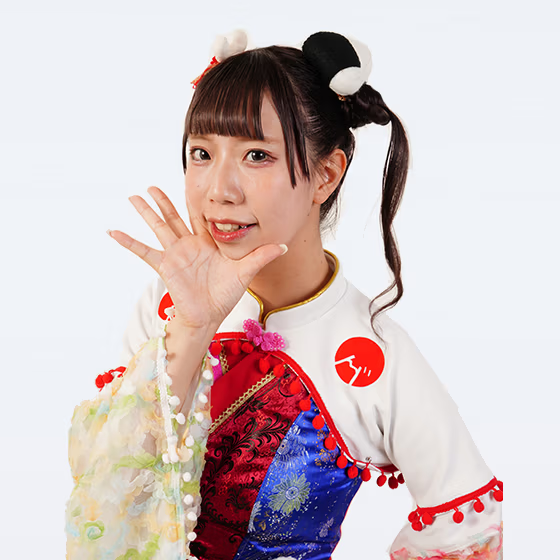
Yunagi Nino Yunagi Nino Yunagi Nino Oita Evangelist大分県 伝道師 悠凪 ニノ Yunagi Nino Graduated Members August 31, 2025 Member Banzai Japan (11th Gen; Joined June 21, 2023; Graduated August 31, 2025) 悠凪 ニノ Yunagi Nino 都道府県 PR Local Introduction おんせん県大分県!緑がいっぱい自然豊かで幸せたっぷりな大分にようこそ〜! Welcome to Oita—the “Hot Spring Prefecture”! Come and enjoy a place rich in nature, lush greenery, and abundant happiness! ニックネーム Nickname ニノ NINO Birthday Countdown 0Days 00Hours 00Minutes 00Seconds 誕生日 Birthday 4月2日 2 April 星座 Zodiac Sign おひつじ座 Aries 血液型 Blood type AB型 Type-AB 趣味 Hobby アニメ鑑賞 Watching anime キャッチフレーズ Greeting to the fans ニコニコ元気な悠凪ニノです!みんなでハッピーになろう♪ I’m Yunagi Nino—full of energy and smiles! Let’s all be happy together! ♪ 特徴 Characteristic モノマネが得意! I’m good at doing impressions! Members Banzai Japan September 20, 2026 Comment (0) Read More Yunagi Nino – Banzai Japan June 11, 2023 Comment (0) Read More Hoshino Arice – Banzai Japan July 3, 2022 Comment (0) Read More Kosaka Yuu – Banzai Japan July 3, 2022 Comment (0) Read More Riko Ueno – Banzai Japan July 3, 2022 Comment (0) Read More Tsukumo Aira – Banzai Japan July 3, 2022 Comment (0) Read More Rino Ibusuki – Banzai Japan July 2, 2022 Comment (0) Read More Kana Ichinose – Banzai Japan January 26, 2021 Comment (0) Read More Yuuki Mochimaru – Banzai Japan December 8, 2020 Comment (0) Read More Maika Ando – Banzai Japan August 2, 2019 Comment (0) Read More Shiori Fujisaki – Banzai Japan April 14, 2017 Comment (0) Read More Sasa Sasagawa – Banzai Japan December 6, 2015 Comment (0) Read More Rima Minato- Banzai Japan July 30, 2015 Comment (0) Read More Fujisaki Fumi – Banzai Japan July 22, 2015 Comment (0) Read More Banzai Japan August 11, 2000 Comment (0) Read More